
Repair or Replace a Roof? Oklahoma's New Shingle Layer Rule
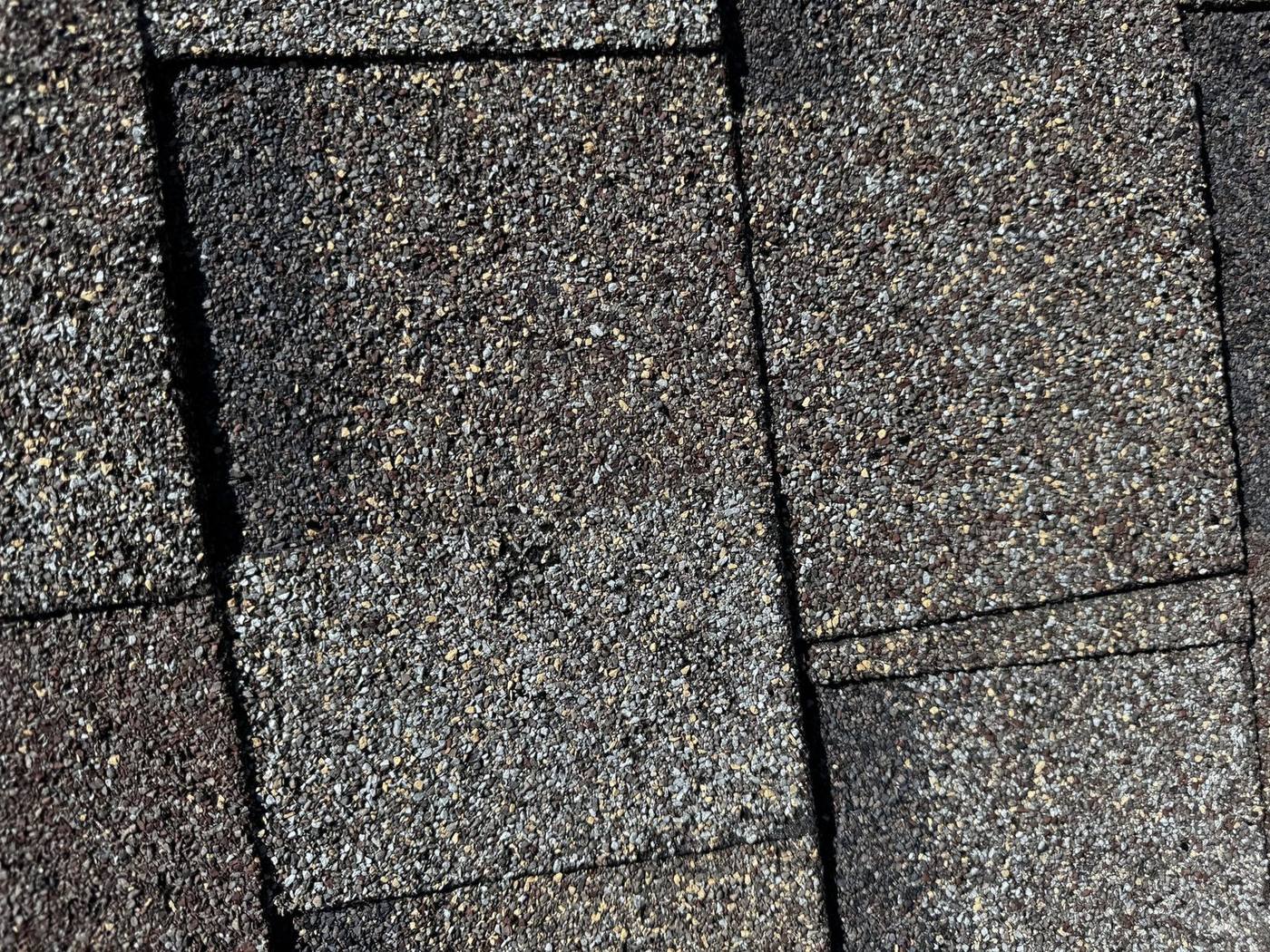
You should repair your roof when the problem is localized, such as a failed pipe boot, loose flashing or a few missing shingles, and the deck underneath is still firm. Replace it when the decking is soft or water-soaked, when the roof already has two or more layers, or when the plan is new asphalt shingles over old ones, which Oklahoma's newly adopted residential code does not permit.
Can my roof be repaired?
A roof can usually be repaired when the damage sits in one area and the wood deck under it is solid. Check the small parts of the roof, such as pipe boots, flashing and vents, as well as the shingles.
Common problems that are usually repairable:
- A cracked or dried-out rubber boot around a plumbing vent pipe
- Flashing that has pulled loose where the roof meets a chimney, wall or skylight
- A few shingles torn off or creased by wind
- Failed sealant around a vent, fan or other roof penetration
A good repair replaces the part that failed and blends new shingles into the courses around it. It only holds if the surrounding roof still has life in it. If nearby shingles are brittle or the deck flexes, a patch may just move the leak a short distance away.
A partial replacement, such as redoing one roof plane, sits between the two options. It normally means tearing that section down to the deck, not adding a layer on top. Roof repair, leak repair and full replacement are all part of Black Crown's residential roofing services.
When does a roof need to be replaced?
A roof usually needs replacing when the problem is spread across the roof or sits in the structure below the shingles. Patching one spot will not fix a roof that is wearing out everywhere.
Signs that point toward replacement:
- Decking that feels soft or spongy, or shows dark water stains and rot from the attic
- Curling, cracking or bare patches across most of the roof, not just one area
- Leaks showing up in several rooms at once
- A roof that already has more than one layer of shingles
- Sagging along the ridge or between rafters
Wet or rotted decking has to come out before new roofing goes on. That means removing the shingles above it, which turns a small repair into a larger tear-off. Sagging may need framing work, not just new shingles.
What does Oklahoma's code say about shingle layers?
Oklahoma's new residential code does not permit new asphalt shingles over existing asphalt shingles, and Oklahoma City's re-roofing FAQ permits only one layer.
The statewide rule
The Oklahoma Uniform Building Code Commission's permanent rule adopts the 2024 International Residential Code, as amended, as the statewide minimum code for residential construction for one- and two-family dwellings and townhouses, effective September 14, 2026. Under section R908.4, the OUBCC's 2024 IRC code changes summary lists four conditions where a roof re-cover shall not be permitted:
- The existing roof or roof covering is water soaked or has deteriorated to the point that it is not adequate as a base for more roofing.
- The existing roof covering is slate, clay, cement or asbestos-cement tile.
- The existing roof has two or more applications of any type of roof covering.
- The existing roof has one or more applications of asphalt shingles, and the new layer would also be asphalt shingles.
The same code summary separately says complete and separate roofing systems, such as standing-seam metal roof systems designed to transmit roof loads directly to the building's structural system, do not require removal of existing coverings. Whether a particular system qualifies on your house is a question for your city permit office.
Oklahoma City's re-roofing rules
Oklahoma City's re-roofing permit requirements, as listed when checked in October 2026, answer several common questions:
- Shingling over the existing layer of asphalt shingles is not allowed.
- Patching lost or damaged shingles needs a permit only when the area of repair or replacement exceeds 500sf.
- Replacing rafters, ridge beams or other structural elements below the decking needs a separate residential building permit.
- The FAQ lists the 2018 International Residential Code as the code the city uses.
The city checklist also asks for photos of the roof before tear-off, after decking and flashing, and when finished, uploaded before an inspection is requested.
In Tulsa and the surrounding suburbs, confirm permit and layer questions with your city permit office before work starts.
Older homes in Tulsa and Oklahoma City
The Census Bureau's 2024 American Community Survey data for Tulsa puts the median year built for the city's housing units at 1973. The same Census table for Oklahoma City puts it at 1984. A house that age may have been re-roofed more than once, and an older roof may hide earlier layers. That is why counting layers belongs in any repair-or-replace decision.
How long do shingles last in Oklahoma?
No single number fits every roof, because sun, weathering and storm history all affect how fast shingles age. Small hail is one factor that is easy to miss.
Lab research from IBHS on high concentrations of small hail found that sub-severe hail, meaning hailstones less than 1 inch in diameter, knocks protective granules off asphalt shingles. That exposes the asphalt underneath to sunlight and weathering and speeds up aging. In the same IBHS research, shingles exposed to natural weathering plus two simulated sub-severe hail events became up to ten times more susceptible to damage from later large hail impacts than new shingles.
This is lab research, not a diagnosis of any one roof. Granule loss has more than one cause, so it does not prove hail on its own. If you see granule loss, track it with dated photos from the ground, and have a roofer look if it comes with leaks or other damage.
What affects the cost of repairing versus replacing a roof?
A repair is priced mainly on the part that failed and how hard it is to reach. A replacement is priced on the whole roof and everything that has to come off or be fixed under it.
Factors that move the cost:
- Size and pitch. Bigger and steeper roofs take more material, labor and safety setup.
- Layers to tear off. Each extra layer adds removal and disposal work.
- Decking. Soft or rotted boards have to be replaced, and the full extent often shows only after tear-off.
- Material. Standard asphalt shingles, impact-resistant shingles and metal differ in material and installation cost.
- Flashing and details. Chimneys, skylights, valleys, vents and pipe boots add work.
- Permits. Your city may require one depending on the scope.
When you compare written estimates, line up the scope, not just the total. Check how many layers each roofer plans to remove, how decking repair is billed, which flashing and vents get replaced, and who pulls the permit. Two estimates that describe different jobs cannot be compared fairly.
When should you call a roofer?
Call a roofer when you see active leaking, spreading stains, sagging or damage you cannot judge from the ground. Some things you can safely check yourself first, without a ladder and without going on the roof.
Safe checks from the ground and indoors:
- Look at each roof plane from the yard, using binoculars if you have them.
- Look for missing or lifted shingles, bent flashing and pipe boots that look cracked.
- After rain, check what washes out of the downspouts for heavy granule buildup.
- Check ceilings and upper walls for stains, bubbling paint or damp spots.
- From the attic hatch, shine a flashlight on the underside of the deck for dark stains, daylight or wet insulation.
- Take dated photos and short notes of anything you find.
You may not need a roofer yet for an old ceiling stain that stays dry through several rains. Mark its edges in pencil and photograph it so you can tell whether it grows. A single shingle found in the yard with no leak inside is worth noting and having checked, not a cause for alarm.
Signs that call for a professional:
- Water dripping, or a stain that grows after rain
- Soft, sagging or stained decking seen from the attic
- Daylight through the roof boards
- Several missing shingles, or flashing pulled away from a wall or chimney
Anything at roof height is a job for a professional with the right safety gear.
What should you ask before a roofer replaces a full slope?
If a roofer recommends replacing a full slope to fix one leak, ask for the reasoning before you sign. Clear answers make the choice easier, and vague ones are a reason to get a second opinion.
Questions to ask:
- Can you show me photos of each damaged spot?
- Where exactly is the deck soft, and how did you find it?
- How many layers are on the roof now?
- Why won't a repair hold in this spot?
- Will you give me a written scope that covers tear-off, decking, flashing, vents and permits?
- What is your Oklahoma roofing registration number?
Oklahoma registers roofing contractors through the Construction Industries Board instead of licensing them, so you can check a registration number with the Board. A second roofer who looks at the same photos and attic can confirm or challenge the diagnosis.
If your ground check turned up a cracked boot, loose flashing or an attic stain, or you are holding a replacement proposal and want a second look, an on-site inspection can show what is repairable. Black Crown Construction offers a free on-site estimate to homeowners in the Tulsa metro and Oklahoma City. Call (918) 212-4720 or send a request through the contact page. You can also see finished exterior work in the project gallery.
OK Roofing Registration #80008030
Frequently asked questions
Is it worth fixing a leak on an older roof?
Often, yes, if the leak comes from one part such as a pipe boot or flashing and the deck around it is firm. If the shingles are brittle across the whole roof, the deck is soft, or leaks keep appearing in new places, money spent on patches may be better put toward a replacement.
Should I get a second opinion before replacing my roof?
A second opinion is reasonable when a roofer recommends a large replacement for a small problem, or when the explanation is vague. Ask for photos of each damaged spot, where the deck is soft, how many layers exist, and a written scope. Comparing two inspections of the same roof helps confirm the diagnosis.
How do I find out how many layers of shingles my roof has?
Ask the roofer who inspects it to tell you the layer count, explain how they checked, and show you a photo. Make sure the number appears in the written estimate. The count matters because each extra layer adds tear-off work, and existing layers affect what can legally go on top.
What is a partial roof replacement?
A partial replacement redoes one section of the roof, such as a single plane, instead of the whole thing. It usually involves stripping that section to the deck and installing new underlayment and shingles. It can make sense when damage is confined to one area and the rest of the roof is in sound shape.
Sources
- 2024 IRC Code Changes Summary
- 2026 748 Chapter 20, Adopted Codes
- Re-Roofing Permit Requirements (City of Oklahoma City)
- U.S. Census Bureau ACS 2024, median year built (table B25035): Tulsa
- U.S. Census Bureau ACS 2024, median year built (table B25035): Oklahoma City
- Impact Testing of High Concentrations of Small Hail (IBHS)