Strengthen Oklahoma Homes Grant: The Steps in Order
The Strengthen Oklahoma Homes grant pays up to $10,000 toward upgrading an eligible primary residence to the IBHS FORTIFIED Roof standard, according to the Oklahoma Insurance Department's OKReady page. The money goes directly to an approved contractor once the project is finished and the paperwork, including the FORTIFIED certificate from IBHS, is submitted. After you apply, your first choice is an evaluator, not a roofer, and you pay that evaluator yourself.
A plain note before the steps: Black Crown Construction is an Oklahoma-registered roofing contractor, but it is not on OID's list of approved contractors as of October 15, 2026. It cannot do grant-funded work under this program, and it is not an IBHS FORTIFIED contractor. Every program fact below comes from OID's own pages, retrieved October 15, 2026. OID says the program opens periodically through the year, with dates announced in advance, so check the OKReady page for the current application period. More about Black Crown is on the about page.
Who qualifies for the Strengthen Oklahoma Homes grant?
The home must be your primary residence with a homestead exemption, and you need an active residential insurance policy with wind coverage, according to the OKReady eligibility rules. The home also has to be in good repair and eligible for a FORTIFIED Home designation.
- Primary residence only. You attach a PDF showing your homestead exemption.
- Wind coverage. You upload your policy's declarations page as a PDF. OID advises contacting your agent if you are unsure what your policy includes.
- Flood insurance, if it applies. Homes in a FEMA Special Flood Hazard Area also need proof of a flood policy.
- Good repair. The home must meet the eligibility criteria in the 2025 FORTIFIED Standard published by IBHS.
The OKReady page also lists two household income tiers: Tier 1 is an income of $62,138 or less, and Tier 2 is an income above $62,138. Ask the program how your tier applies to you.
OID's homeowner checklist names the documents to gather first: proof of insurance, your homestead exemption, proof of income, and flood insurance if it applies.
How do you apply for the FORTIFIED roof grant in Oklahoma?
You apply online, then move to each next stage only after SOH approves the one before it, as OID's checklist and timeline lays out. The checklist is direct about it: do not move ahead until you receive verification from SOH at each stage.
- Apply online. Submit the application and upload your documents. SOH emails you if you are approved, so check your spam folder.
- Choose an evaluator. Once SOH gives the go-ahead, you pick an evaluator from the approved list in the program's online platform. You pay the evaluator.
- Get the Initial Home Review. The evaluator assesses the home and sends a report to SOH for approval.
- Pick three contractors to bid. You choose three SOH-approved contractors. Each one schedules an inspection, and every bid must follow the evaluator's FORTIFIED Roof – High Wind & Hail plan. Bids go in through the SOH platform.
- Wait for the grant letter. SOH checks the bids, and you receive a grant letter. The OKReady page says you must have this letter before work can begin.
- Choose one contractor. You select one of your three bidders. Work starts only after SOH gives its go-ahead.
- Finish in 6 months. The checklist gives homeowners 6 months from application approval to get the FORTIFIED roof installed.
- Final inspection. The evaluator inspects the finished roof and sends the records to IBHS, which decides on the FORTIFIED designation.
- Payment. The OKReady page says the grant pays up to $10,000 directly to the contractor after the project is done and the paperwork, including the certificate, is submitted.
- Share the certificate. You give it to your insurance company to apply for discounts, then upload your new declarations page to the SOH platform.
What does a FORTIFIED roof evaluator do in Oklahoma?
A FORTIFIED evaluator is an independent, third-party professional trained in the FORTIFIED standard who decides whether your home can be upgraded and what work it needs, as the OKReady page describes. The evaluator stays involved until the work is done, reports to IBHS and obtains the FORTIFIED Roof certificate.
The order matters here. The first list you pick from is evaluators. Contractors come later, and only if the evaluator finds the home eligible.
The evaluator is also your first out-of-pocket cost. OID states plainly that SOH grants do not cover the cost of the evaluation. You pay for the whole evaluation process at prices the evaluator sets.
- Before paying for an evaluation, confirm at least one approved contractor is able to do the work.
- You may opt out any time before you sign with a contractor, but the money paid for the home review is not reimbursed. To opt out, OID requires written notice by email, sent no later than 30 days after your grant letter arrives.
What does the grant pay for, and what do you still pay?
The grant pays up to $10,000 toward bringing the roof to the IBHS standard, and any cost above the grant is the homeowner's responsibility, according to the OKReady program page. OID does not issue funds to the homeowner, and the contract for the work is between you and the contractor. If the home needs a new roof, it becomes part of the grant's scope of work.
Timing matters too. OID says that if you hire a contractor and begin work before acceptance into the program, you are not eligible for the grant.
The gap between the grant and a bid depends on the same things as any roof job: roof size and pitch, how many layers come off, how much decking needs repair, and the materials the standard calls for. All three bids follow the same evaluator plan, so you can compare them line by line:
- Does each bid match the evaluator's plan item by item?
- How are decking repairs handled if damaged boards turn up during tear-off?
- What part of the total, if any, falls above the grant amount?
- When can the work start, so it fits your 6-month window?
- What does the written contract say about cleanup and the final inspection?
Where is the OKReady approved contractor list?
OID posts its List of OID Approved Contractors on the OKReady contractors page, and all three of your bidders must come from it. The list can change, so check it again when you reach the bidding step.
Being on the list is a program rule, not the only check worth making. Before you pick your three:
- Ask each company for its Oklahoma roofing registration number. Oklahoma registers roofing contractors through the Construction Industries Board.
- Ask for proof of insurance.
- Read reviews on more than one site.
- Look up each company in public records before you choose.
What has Oklahoma's program reported so far?
In a September 1, 2026 release, the Oklahoma Insurance Department announced that the program had reached its 500th FORTIFIED home. OID describes FORTIFIED roofs as designed to provide increased protection against the high winds, wind-driven rain and hail frequently experienced across Oklahoma.
That same OID release reports that earlier participants saw average annual premium savings of approximately $750 after their FORTIFIED designation. That is OID's reported average, not a promise for any one home. On the OKReady page, OID notes that discounts are set by each carrier and may not be offered by all companies. The checklist adds that discounts vary and encourages shopping around. Ask your agent what your carrier offers.
A FORTIFIED designation lasts five years. Renewing it usually takes a re-designation inspection by an evaluator, and the certificate transfers to a buyer if you sell.
When should you call a roofer instead of starting with the grant?
You do not need a roofer to apply. The grant starts with the application and the evaluator, and only OID-approved contractors can bid, so an outside roofer cannot move a grant application forward.
You can do a useful first check yourself from the ground and indoors. Never climb onto the roof or use a ladder; anything at roof height is a job for a professional.
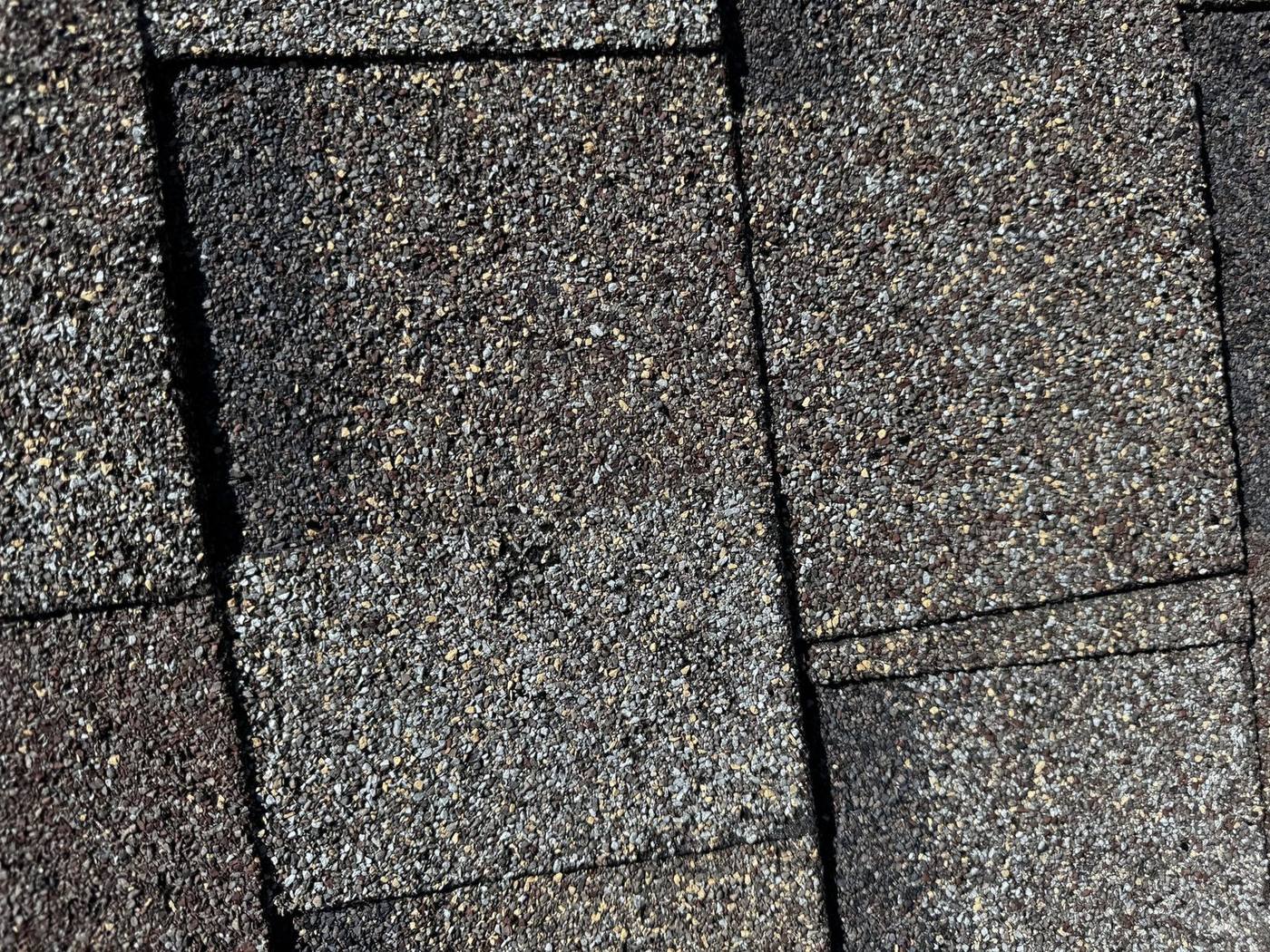
- From the yard or across the street, look for missing, lifted or creased shingles.
- Check downspout outlets for heavy granule buildup.
- Look at ceilings and upstairs walls for stains.
- With a flashlight, check the attic for damp spots or daylight.
A roofer makes sense if you find an active leak, missing sections, sagging or storm damage. The program requires a home in good repair, so problems like these need attention either way. If you plan to apply, ask the program before any roof work starts, because of the early-work rule above. If you don't qualify or prefer your own timeline, you can compare roof repair and replacement services or read about full roof replacement.
If your ground check turned up worn, missing or damaged shingles, or you are weighing a replacement with impact-resistant shingles on your own schedule, a professional look can help you compare repair and replacement. Black Crown Construction offers a free on-site estimate to homeowners in the Tulsa metro and Oklahoma City. Call (918) 212-4720 or request your estimate online.
OK Roofing Registration #80008030
Frequently asked questions
Can I choose my own roofer for the Strengthen Oklahoma Homes grant?
Only from the Oklahoma Insurance Department's approved contractor list. After the evaluator finds your home eligible, you pick three approved contractors to bid and then select one of them. A roofer who is not on that list cannot do grant-funded work, and starting work with any contractor before acceptance ends your eligibility.
Is the FORTIFIED evaluation fee paid by the grant?
No. The homeowner pays the evaluator directly, and OID states that the grant money does not go toward the evaluation. Evaluators set their own prices for the full evaluation process. OID also suggests making sure at least one approved contractor is able to work on your home before you pay for the evaluation.
How long do I have to get the FORTIFIED roof installed?
OID's homeowner checklist gives 6 months from application approval to get the roof installed to the FORTIFIED Roof High Wind and Hail standard. Work still cannot begin until the grant letter arrives and SOH clears your chosen contractor to start, so bids and scheduling are worth planning early in that window.
Do insurers give discounts for FORTIFIED roofs in Oklahoma?
Some do. OID reports an average yearly premium savings among earlier program participants, but each carrier decides its own discount, and not every company offers one. OID encourages shopping around. Your agent is the right person to ask what your carrier offers before you count on any savings.
How long is a FORTIFIED designation good for?
Five years. Renewal usually means an evaluator does a re-designation inspection to confirm the structure hasn't changed in a major way and the roof covering is still inside its expected life. The certificate can pass to the new owner when the house is sold.