Oklahoma's Price Gouging Law After Storms: The 10% Rule
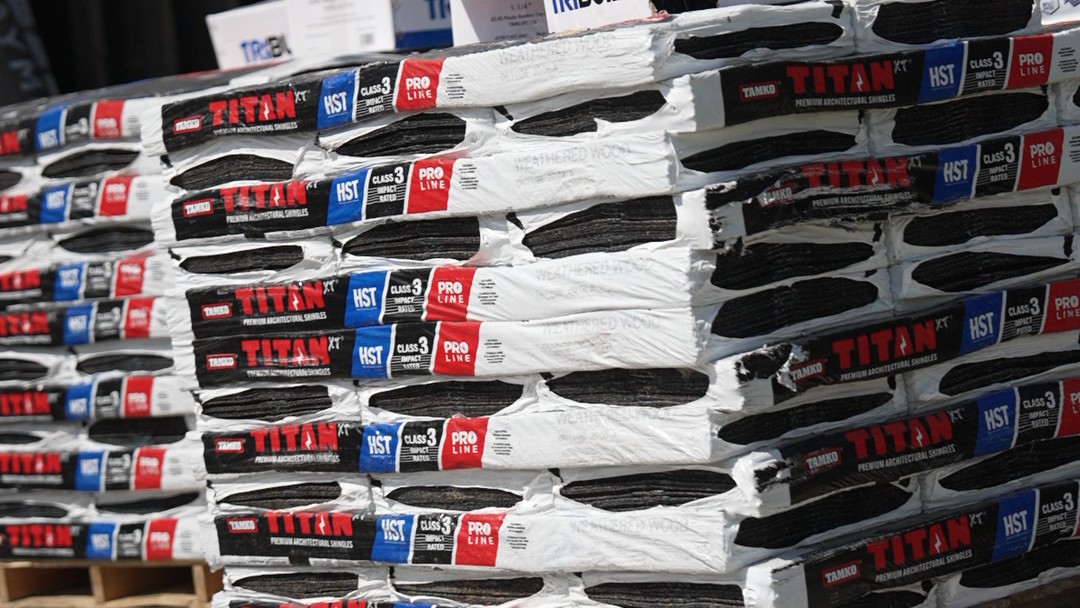
Oklahoma's price gouging law, the Emergency Price Stabilization Act, says sellers can't charge more than 10% above their own pre-declaration price in an emergency area. That cap holds while a governor's or presidential emergency declaration is in effect and for 30 days after it ends. For 180 more days, it still covers goods sold to repair or rebuild homes in that area, such as the materials for a roof job.
If a storm has you weighing a new roof and you want a written figure from a registered local contractor to set beside other bids, Black Crown Construction offers a free on-site estimate for roof replacement in the Tulsa metro and Oklahoma City.
What does Oklahoma's price gouging law say?
Oklahoma's price gouging law limits price increases to 10% over what the same seller charged just before an emergency declaration. Lawmakers restated the rule when they passed House Bill 2561, which amended the Emergency Price Stabilization Act, in 2023.
Here is the rule in plain terms:
- It applies during a declaration of emergency by the Governor of Oklahoma or the President.
- It covers goods, services, rentals and storage space sold for delivery in the emergency area.
- The yardstick is the seller's own price for the same or similar thing just before the declaration.
- A bigger increase is allowed only when it comes from changes in petroleum and natural gas commodity markets, or only from factors unrelated to the emergency that add no profit for the seller.
That yardstick matters for a roof job. The law compares a contractor's price with that contractor's earlier price, not with a neighbor's bid. A quote that runs higher than another company's is not, by itself, what this rule measures. Ask any contractor to explain a price change in writing.
How long does the 10% limit last after an emergency declaration in Oklahoma?
The 10% limit in Oklahoma runs in stages, and the clock is tied to an emergency declaration, not to the date of the storm.
| Period | What the cap covers |
|---|---|
| While the declaration is in effect | Goods, services, rentals and storage space in the emergency area |
| The 30 days after it ends | The same goods, services, rentals and storage space |
| The 180 days after that | Home and storage rentals, plus goods sold to repair, restore, remodel or build homes in the area |
In the last stage, the law names goods, such as building materials, rather than services. Ask for materials and labor as separate lines on every written estimate. That way you can see which part of a price moved.
A current example shows why the timing matters. FEMA's page for disaster DR-4950 lists a severe storm and straight-line wind event in Oklahoma on July 4, 2026, with a federal declaration on October 7, 2026. The storm and the federal declaration on FEMA's page are months apart, which is one reason to ask the Attorney General's office which declaration and dates apply in your county. Check FEMA's page for the designated areas, since that list can change.
How can you spot contractor price gouging after a storm?
Contractor price gouging and other storm-season problems are easier to spot when you slow down and get everything in writing. Oklahoma Attorney General Gentner Drummond warns that contractor fraud incidents spike in the weeks and months after storms and tornadoes. His Consumer Protection Unit advises homeowners to:
- Get several written estimates that spell out the scope of work, materials and total cost, so unusually high or low bids stand out.
- Be cautious of anyone who demands a large upfront payment or insists on cash.
- Watch for high-pressure sales tactics, unsolicited offers and contractors who show up uninvited.
- Research the business before signing any agreement.
Two more checks help in Oklahoma. Ask any roofer for their Oklahoma roofing registration number and proof of insurance, since the state registers roofing contractors through the Construction Industries Board instead of licensing them. The blog's guide to checking an Oklahoma roofing company's history covers the public records, and reading a roofing estimate line by line helps you compare bids fairly.
If a price looks out of line, the Attorney General's Consumer Protection Unit can tell you whether complaints have been filed against a contractor, and it takes new complaints. Keep copies of every estimate and contract.
When is it worth having a roofer look at your roof?
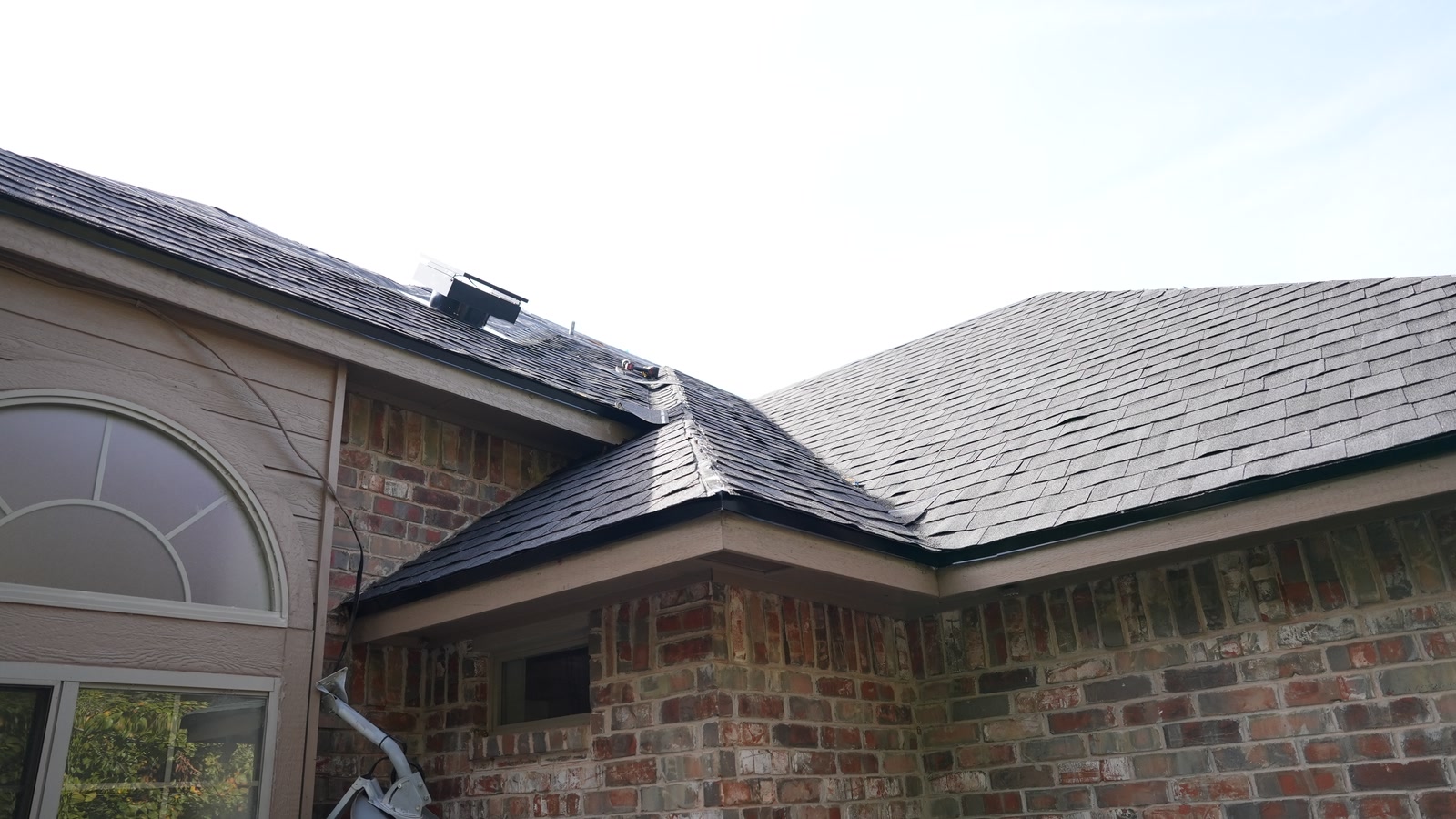
A roofer's inspection makes sense when you notice changes from the ground or indoors after a storm. Stay off the roof and off ladders; these checks work from the yard, a window or the attic.
- Shingles missing, lifted or lying in the yard
- Dents in gutters, downspouts or metal vents you can see from the ground
- Heavy granule buildup at downspout outlets
- Water stains on ceilings or damp insulation in the attic
- Daylight through the roof boards when you look from the attic
Take dated photos of anything you find and jot down when you noticed it.
On an inspection, a roofer checks the shingle surface for bruises and cracks, the flashing at chimneys, walls and vents, the pipe boots and ridge, and the gutters. A good inspection also looks at the decking from the attic and ends with photos and written notes. If the storm left visible damage, storm damage repair covers what that work involves.
If a ground check turned up something you want explained, or you are comparing post-storm bids and want one more written number, a professional look is a sensible next step. Black Crown Construction will inspect your roof and put together a free on-site estimate for homes in the Tulsa metro and Oklahoma City. Call (918) 212-4720 or tell us about your roof and schedule a visit.
OK Roofing Registration #80008030
Frequently asked questions
Does Oklahoma's price gouging law apply to roofing labor?
During a declared emergency and for 30 days after it ends, the 10% cap covers services as well as goods, so roofing labor in the emergency area falls under it. In the following 180 days, the law names goods used to repair or build homes, along with home and storage rentals, rather than services.
Can a roofer charge more after a storm if their own costs went up?
Oklahoma's law allows an increase above 10% when it comes from changes in petroleum and natural gas commodity markets, or only from factors unrelated to the emergency that add no profit for the seller. If a price rose, ask the contractor to explain the reason in writing and compare it with other written estimates.
Where can I report suspected price gouging in Oklahoma?
The Oklahoma Attorney General's Consumer Protection Unit takes complaints against contractors and can tell you whether complaints have already been filed against one. Keep copies of written estimates, contracts and any earlier price you were quoted, because the law compares a seller's price with what that seller charged before the declaration.