Roof Leaks Only in Heavy Rain? Common Causes in Oklahoma
A roof that leaks only in heavy rain can have a weak spot where water collects or moves fast. Examples include a valley, the flashing at a wall or chimney, a cracked pipe boot, or an eave without drip edge. Light rain drains past the flaw, but a downpour or wind-driven rain can overwhelm it and push water under the shingles. The repair starts with finding where the water gets in, not just where the ceiling stains.
If you've found a stain or drip that only appears in hard storms, Black Crown Construction offers a free on-site estimate; call (918) 212-4720 or see our roof repair services.
Why does a roof only leak in heavy rain?
A roof that only leaks sometimes has a flaw that light rain never reaches. Shingles shed water by overlapping. They fail when water moves faster, or in a different direction, than the overlap was built to handle.
Three things change in a hard storm:
- Volume. Valleys and gutters carry more water than they can drain, so it backs up under shingle edges.
- Wind. Wind-driven rain is pushed sideways and even uphill, under flashing and lifted shingle tabs.
- Duration. A long soak lets water creep along nail holes and underlayment seams until it reaches the deck.
That is why the same ceiling spot can stay dry for months, then drip during one storm. Note the wind direction when it leaks. A leak that appears only when rain blows from one side points to the walls, flashing or vents on that side.
Where do roof valley leaks and other heavy-rain leaks start?
Heavy-rain leaks can start where water concentrates or where the roof meets something else. Places worth checking:
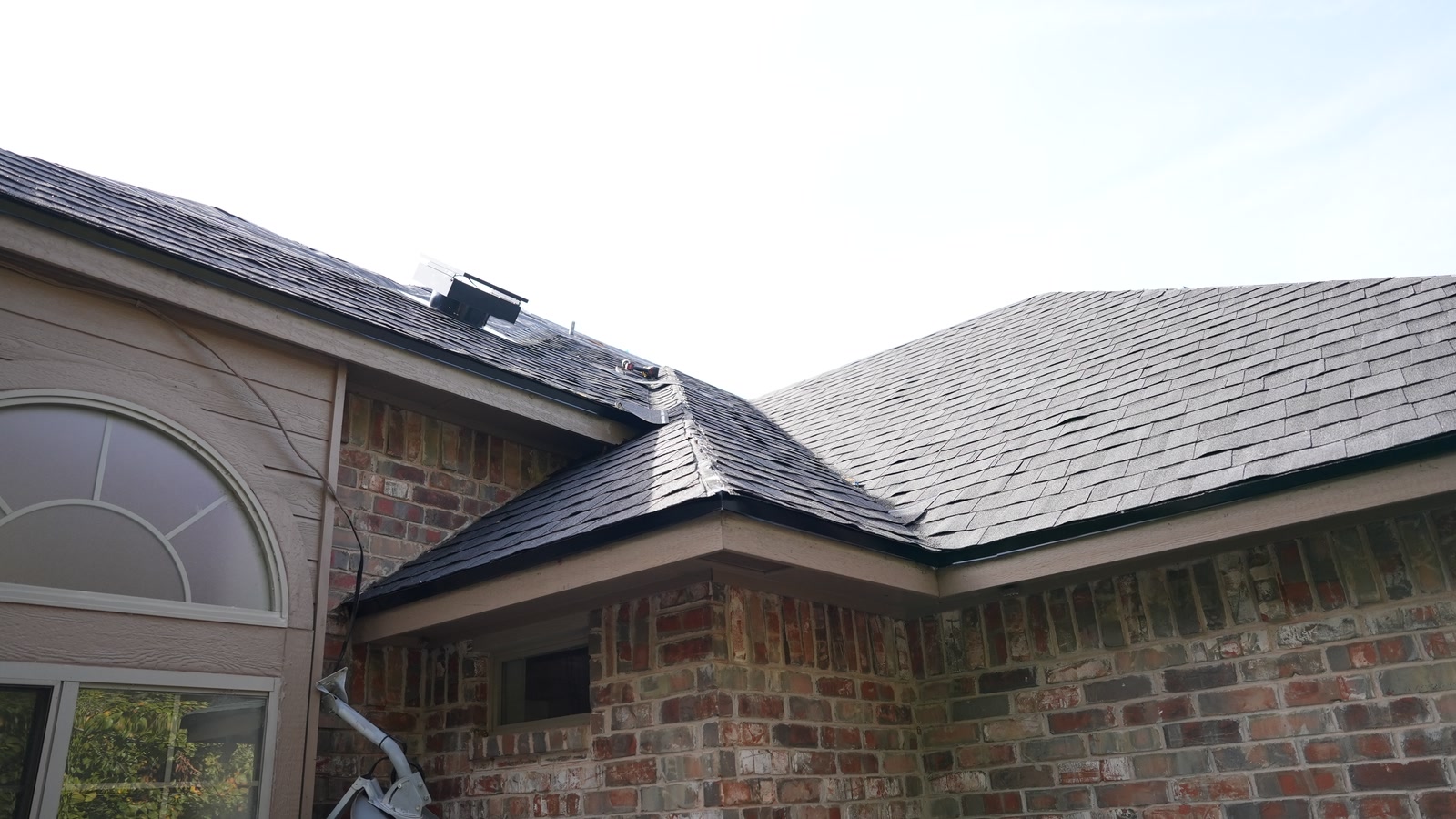
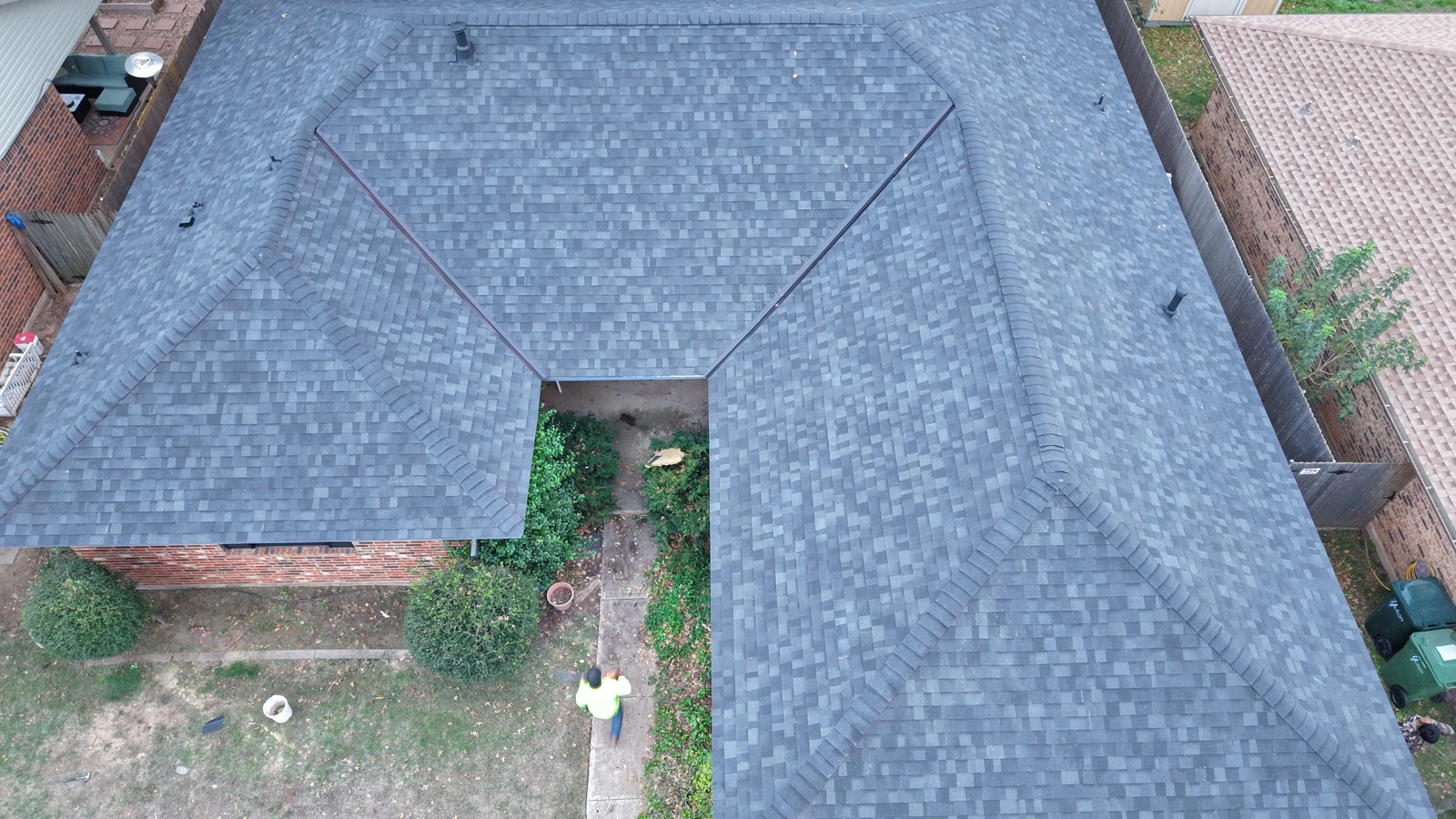
- Valleys. A roof valley collects water from two slopes. Worn shingles, debris dams or a poorly lapped valley can let water run under the roofing. A stain directly below a valley can point to a valley leak.
- Pitch changes. Where a steep roof drains onto a flatter one, water slows down and can back up.
- Wall and chimney flashing. Metal flashing where the roof meets a wall or chimney can loosen or rust. Flashing sealed only with caulk can crack over time.
- Pipe boots and vents. Rubber collars around plumbing vents can crack as they age in the sun, and some roof vents can let in sideways rain.
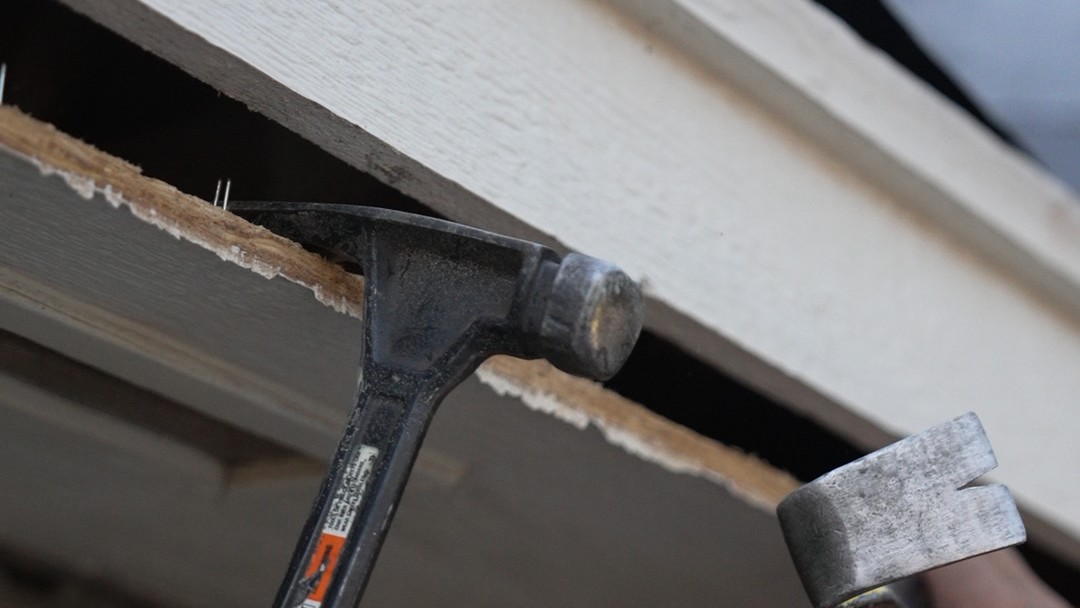
- Eaves and rakes. Without drip edge, water can wick behind the gutter and soak the fascia and the edge of the deck.
- Gutters. Clogged gutters can overflow behind the fascia, and the water can show up inside along an exterior wall. See why gutters matter on Oklahoma homes.
How hard does rain fall in Tulsa and Oklahoma City?
Short bursts of rain in Tulsa and Oklahoma City can be intense. NOAA's rainfall intensity estimates for Tulsa show that for a few minutes at a time, a hard storm can pour rain at several inches per hour, and NOAA's estimates for Oklahoma City are nearly the same. A gentle shower never tests a valley or a flashing joint that way. A hard thunderstorm burst does.
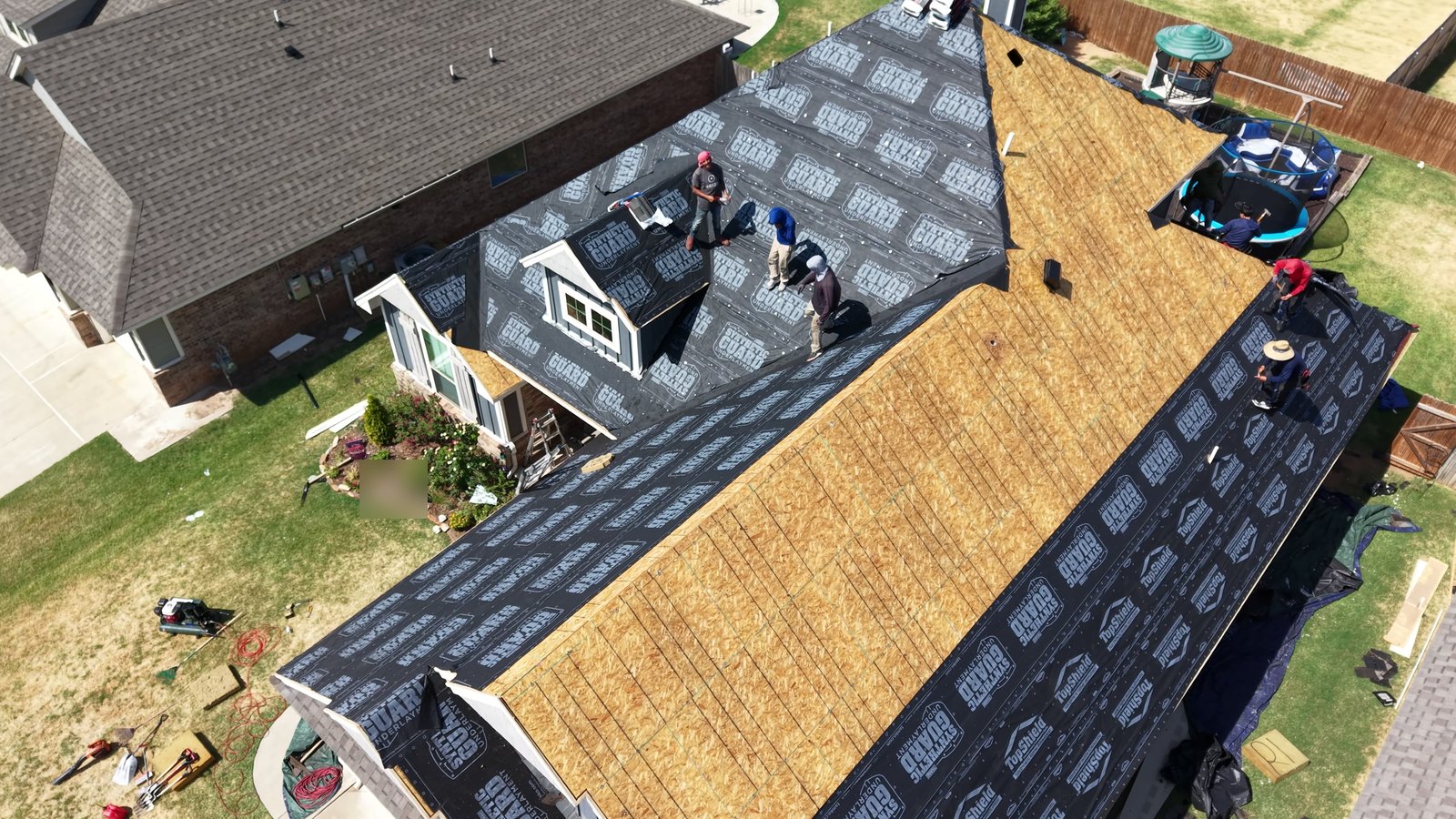
The state's building code points at the same weak spots. Under the IRC 2024 rules adopted for Oklahoma homes, a roof gets an ice barrier membrane down every valley and where a steeper roof drains onto a flatter one. Shingle roofs also get drip edge at the eaves and rakes, with one narrow exception for a shingle-mold detail. An older roof built without those details deserves a closer look in those areas. For how the current code applies to new roofing work, read how the 2024 code affects a new roof.
What should you do when it drips, and when should a roofer look?
When a heavy-rain leak appears, keep your steps indoors and simple:
- Set a bucket or bin under the drip and move furniture, rugs and electronics away.
- If water is near a light fixture or outlet, keep clear of it and switch that circuit off at the breaker panel.
- Take dated photos of the stain and trace its edge lightly in pencil so you can tell if it grows.
- Write down the date, how hard it rained and which way the wind blew.
Stay off the roof and leave anything at roof height to a professional.
Signs that call for a roofer to take a look, seen from the ground or indoors:
- A ceiling or wall stain that returns after storms
- Peeling paint or soft drywall near an exterior wall
- Shingles that look lifted, creased or missing (binoculars help)
- Dark streaks or piled debris in a valley
- Gutters that spill over the front edge in hard rain
- Granules collecting at downspout outlets
On an inspection, a roofer traces the stain back to where water enters, which can be well uphill from the drip. Expect them to check valleys, flashing, pipe boots and roof edges, confirm whether drip edge is present, and look for soft or stained decking from the attic and the roof surface.
Spot repair or bigger fix: which makes sense?
The right fix for a heavy-rain leak depends on what the roofer finds at the entry point and how the rest of the roof is aging. Here are the main options:
| Option | When it fits | Trade-off |
|---|---|---|
| Replace a pipe boot or vent | Leak sits below a plumbing vent | Small job; other aging areas stay as they are |
| Redo wall or chimney flashing | Stain near a wall, dormer or chimney | Nearby shingles come up; color match may vary |
| Rebuild a valley | Stain under a valley or pitch change | Larger repair; a chance to add ice barrier membrane |
| Replace the roof | Several weak spots or worn shingles overall | Biggest job; every valley and edge is redone |
Questions to ask any roofer before you choose:
- Where is water getting in, and can you show me photos of it?
- What will you remove and replace, and what happens if the decking underneath is wet?
- Will the repair include ice barrier membrane in the valley or new drip edge?
- Is the full scope written into the estimate?
- What is your Oklahoma roofing registration number, and can I see proof of insurance?
Oklahoma registers roofing contractors through the Construction Industries Board, so a registration number is something you can check. If several weak spots turn up on an aging roof, compare the repair against a full roof replacement before deciding.
If a stain keeps coming back after hard storms, or you spotted a worn valley or loose flashing from the ground, a roofer can follow the water to where it enters. For homes in the Tulsa metro and Oklahoma City, Black Crown Construction provides a free on-site estimate for that repair. Call (918) 212-4720 or describe the leak you're seeing.
OK Roofing Registration #80008030
Frequently asked questions
Can clogged gutters cause a leak that looks like a roof leak?
Clogged gutters can mimic a roof leak. When gutters fill with leaves or debris, a hard rain can spill over the back edge instead of the front. That water runs behind the fascia and down the wall framing, and it may show up as a stain along an exterior wall or ceiling edge. Having a professional clear the gutters and check the drip edge is a sensible first step.
Is a leak that only happens in big storms still worth fixing?
A leak that appears only in big storms still lets water into the roof deck, insulation and drywall each time. Wood that stays damp can soften, and stains can spread out of sight before they show on a ceiling. Having the entry point found while the damage is small can keep the repair smaller too.
How do roofers find a leak that only shows up during storms?
A roofer can start inside, following the stain upward through the attic to the highest wet spot on the decking. The roofer then checks the roof above that area, looking at valleys, flashing, vent collars and edges. When the source is still unclear, a roofer may soak one small section with a garden hose while someone watches from the attic.