Fall Roof Checklist for Tulsa and OKC Homes
A fall roof maintenance checklist for Tulsa and Oklahoma City homes comes down to five checks you can do from the ground or indoors. Look at the gutters and downspouts, missing or lifted shingles, flashing around chimneys and vents, dark streaks, and ceiling or attic stains. Aim to finish around the first frost, which usually arrives in early November, and leave anything at roof height, gutter cleaning included, to a professional.
If your walk-around turns up a lifted shingle or a fresh ceiling stain, you can read about Black Crown's roof repair and leak work before you decide on next steps.
When should you do fall roof maintenance in Oklahoma?
Fall roof maintenance in Oklahoma fits best in the weeks around the first frost, while days are still mild enough to plan any repairs. Local freeze records show when that window usually closes.
- Tulsa: The National Weather Service office in Tulsa lists November 3 as the mean date of the first 32°F frost. The mean first 28°F hard freeze comes on November 14.
- Oklahoma City: NOAA's climate normals for Oklahoma City give even odds of the first 32°F night by November 2.
Those dates are averages and odds, so any year can run earlier or later. If you missed them, the checklist still works. Most of it happens from the yard and inside the house in any weather.
For other outdoor jobs to wrap up, see which exterior projects to finish before cold weather. If a bigger project is on the table, the guide to replacing a roof in winter in Oklahoma covers what changes in the cold.
How do you check your roof from the ground?
A ground-level roof check needs only binoculars, a phone camera and a dry afternoon. Walk all four sides of the house and look for:
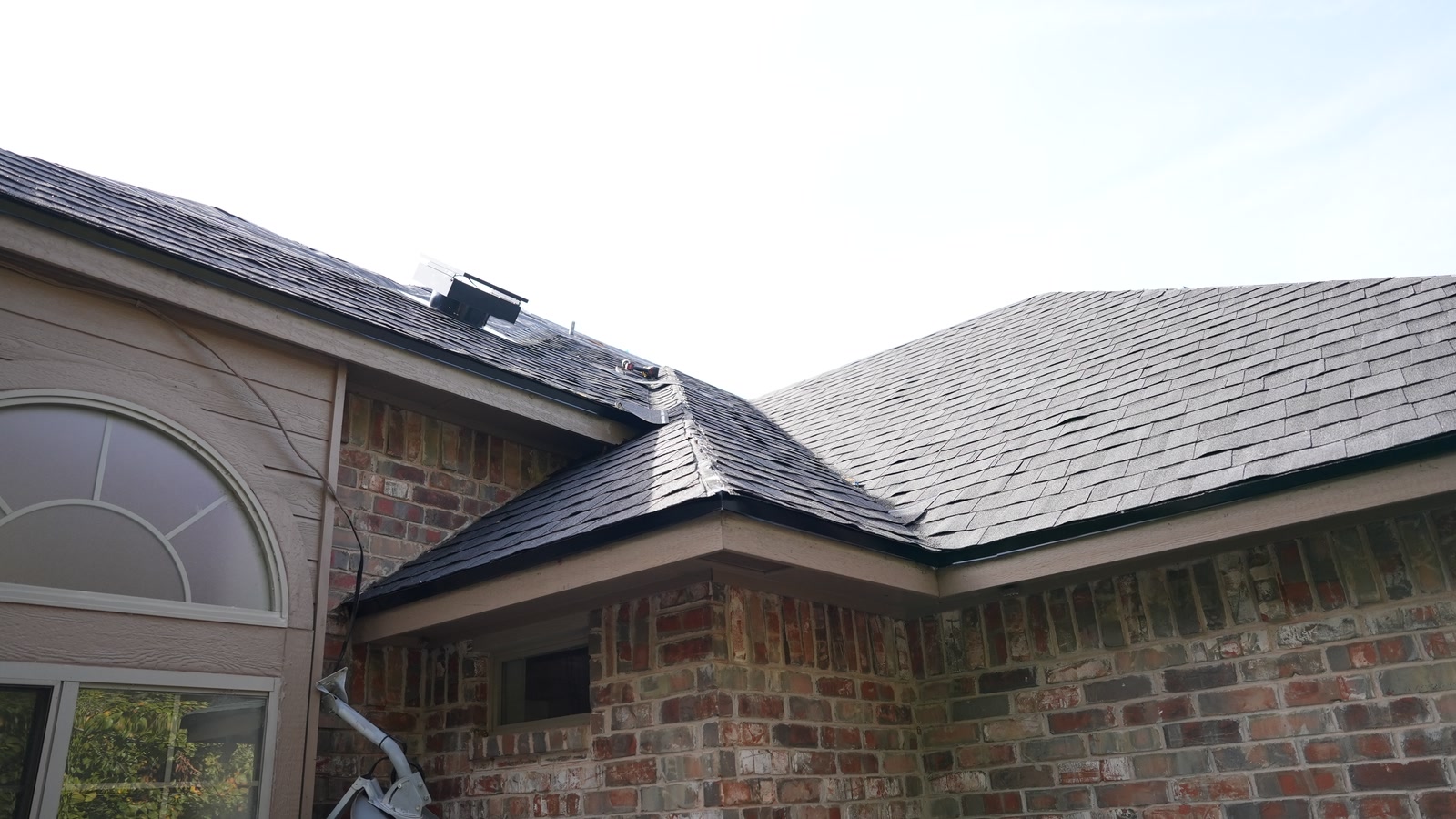
- Missing, cracked, curled or lifted shingles, especially along ridges and edges.
- Bare or dark patches where granules have worn off, plus granules piling up at downspout outlets.
- Flashing around the chimney, vents and skylights that looks bent, loose or pulled away.
- Leaves and branches packed into valleys, where two roof slopes meet.
- Tree limbs resting on the roof or hanging close over it.
- A roofline that dips or sags between supports.
Then check inside. Look for water stains on ceilings, peeling paint near exterior walls, and damp insulation or daylight in the attic if you can reach it safely with a flashlight. Take dated photos of anything you find so a roofer can compare it later.
How often should gutters be cleaned before winter?
Gutters should be cleaned at least twice a year, and more often when trees surround the house, according to an Oklahoma State University Extension fact sheet. A late-fall cleaning, after most leaves have dropped, is the one that sets you up for winter. Gutter cleaning happens at roof height, so hire it out instead of climbing a ladder.
You can still judge your gutters from the ground, ideally during or after a rain:
- Overflow: water spilling over the front edge instead of running down the downspouts.
- Sagging: sections pulling away from the fascia. The OSU fact sheet advises new hangers when gutters begin to sag.
- Drips at seams: OSU also notes that gutters and downspouts should be checked for holes or gaps.
- Downspout discharge: water should drain away from the foundation, at least 6 feet from basement walls and at least 2 feet from a crawl space.
For repairs or new runs, see gutter installation and repair. The guide on Oklahoma gutters, code and fall leaf cleanup goes deeper.
What do black streaks on a shingle roof mean?
Black or brown streaks on a shingle roof may be algae, which the Asphalt Roofing Manufacturers Association notes is easily mistaken for dirt or soot. ARMA notes that a species called Gloeocapsa magma is probably the most common one. The algae travel through the air and show most on light-colored roofs. Moss and tree droppings, by contrast, tend to leave spots in one area instead of long streaks.
Here is what ARMA's guidance means for your roof:
- Skip the pressure washer. ARMA warns that high-pressure washing is likely to damage asphalt roofing. Brushes and brooms are out too, since scrubbing can loosen granules.
- Expect cleaning to be temporary. A diluted household bleach solution can lighten the streaks, but ARMA notes the effect doesn't last and the streaks may return.
- Leave the cleaning to a pro. The treatment makes the roof slippery, and ARMA encourages using professionals.
- Plan ahead for a re-roof. When replacement time comes, ask about algae-resistant shingles, which ARMA describes as designed to inhibit algae growth for extended periods.
What signs mean a roofer should take a look?
A roofer should take a look when your ground or indoor check turns up something that wasn't there last season. Common examples include a missing shingle, flashing that has shifted, a gutter that keeps overflowing, or a new stain on a ceiling.
On a fall inspection, a roofer typically checks:
- Shingles and their seal strips up close, including along the ridge.
- Flashing and the rubber boots around plumbing vents.
- Soft or spongy spots that point to problems in the wood decking.
- Attic ventilation and signs of moisture from the inside.
- Gutters, fascia and the drip edge where water leaves the roof.
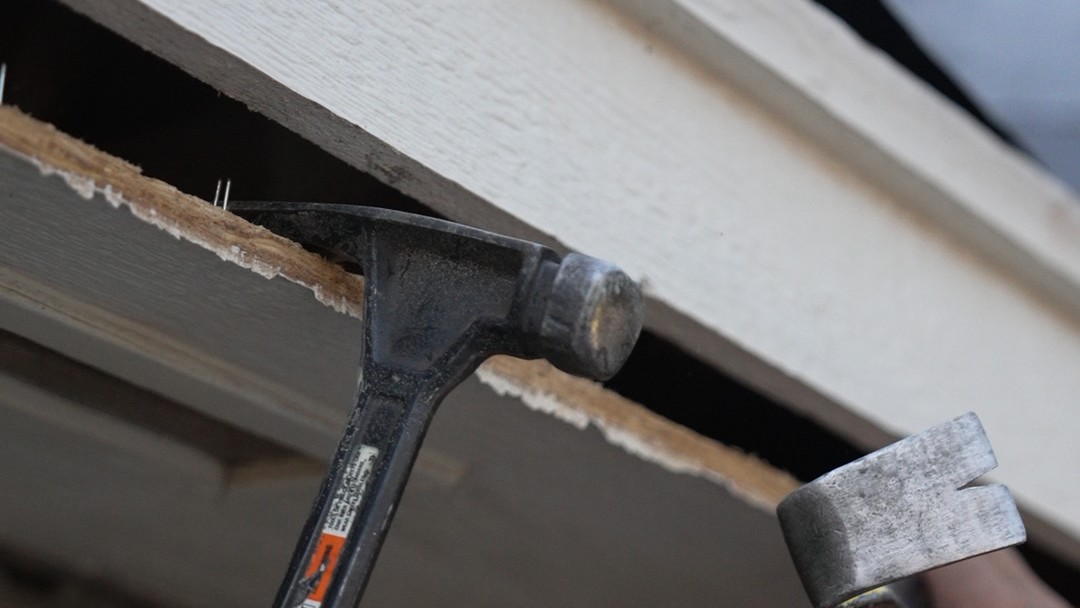
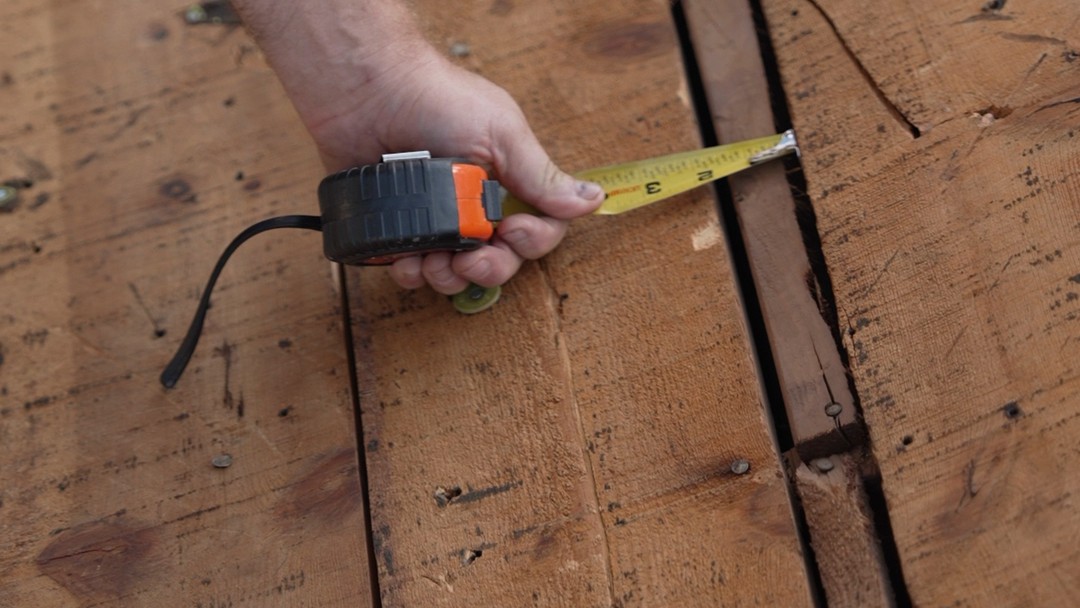
If the roof is ever stripped for replacement, the roofer can also measure the gaps between old deck boards and judge their condition.
If your walk-around found lifted shingles, sagging gutters or a stain you can't explain, a closer look helps you choose between a small repair and a bigger plan. Black Crown Construction will come out for a free on-site estimate at homes across the Tulsa metro and Oklahoma City. Call (918) 212-4720 or tell us what you spotted on your walk-around.
OK Roofing Registration #80008030
Frequently asked questions
Can I pressure wash black streaks off my shingles?
No. The Asphalt Roofing Manufacturers Association advises against power washers, brushes and brooms on asphalt shingles, because high pressure is likely to damage the roofing and scrubbing can loosen granules. A gentle bleach-and-water treatment can lighten algae streaks for a while, but the roof gets slippery, so the association encourages leaving that job to professionals.
How far should downspouts discharge from my house?
Oklahoma State University Extension guidance calls for downspouts to drain away from the foundation and away from neighboring property. Water should land at least 6 feet from basement walls and at least 2 feet from a crawl space, ideally on lawn, garden beds or other landscaping that can soak it up.
Is it too late for fall roof maintenance after the first frost?
No. The first frost is a timing guide, not a cutoff. In Tulsa the mean first 32°F frost falls on November 3, yet most of a fall checklist happens from the yard and indoors in any weather. Gutter cleaning and small repairs can still be scheduled with a roofer as the season turns colder.